Simple Stoic ideas from Marcus Aurelius, Seneca, and Epictetus — explained for modern stress, overthinking, and emotional control.
Best place to begin
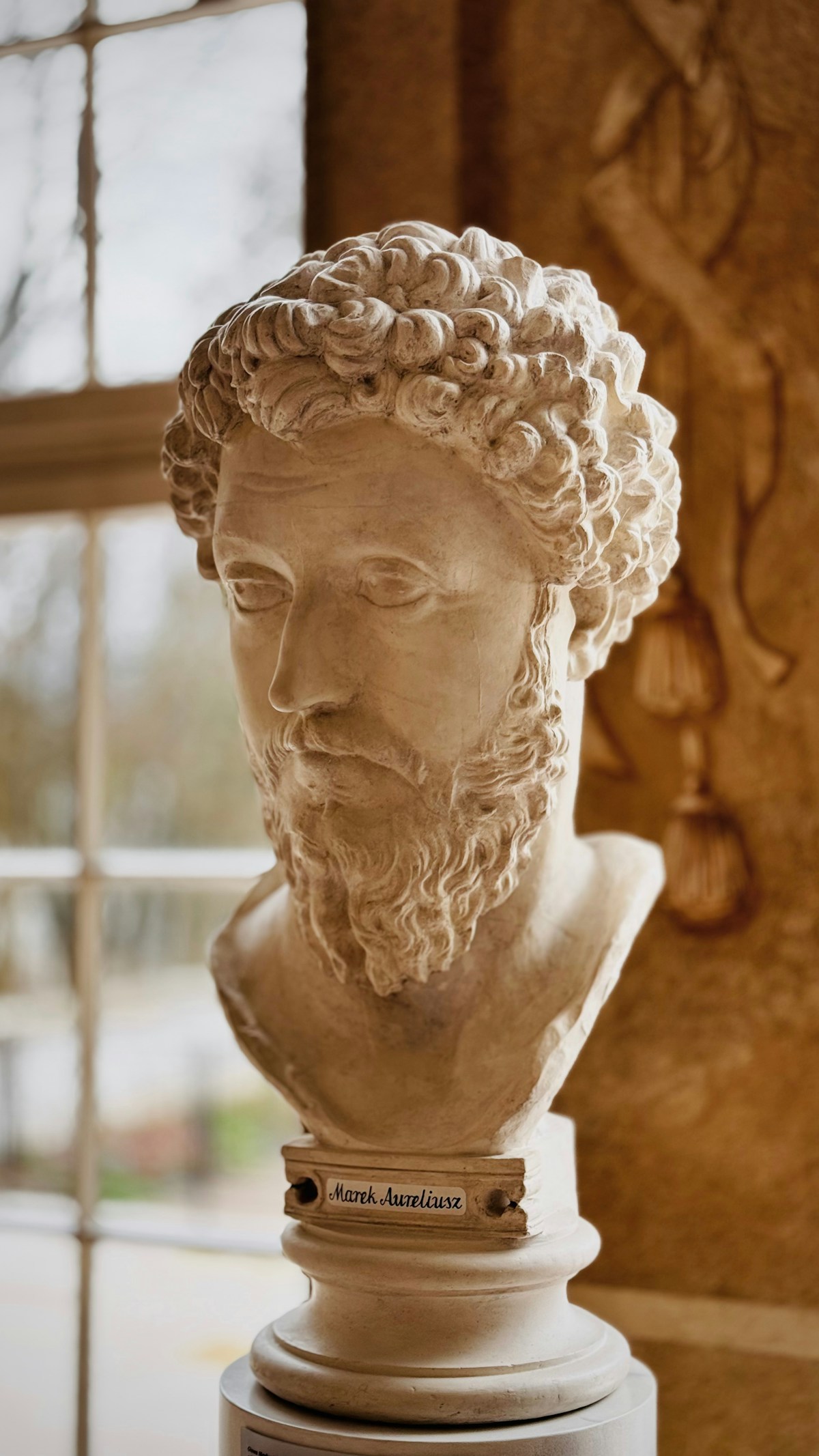
Start with what is yours to control.
The fastest way into Stoicism is learning the difference between what belongs to you and what never did. Epictetus called this the dichotomy of control — and it changes everything.
Begin with this reflection →Latest reflections
Keep reading in this path.

The Stoic Art of Emotional Mastery: What Seneca Can Teach You About Anger
The argument starts over nothing. Learn the Stoic response to anger from the master himself.
Read Reflection →
The Art of Letting Go: What Epictetus Can Teach You About Releasing Control
The email arrives at 11pm. Your boss wants changes. Learn to loosen your grip.
Read Reflection →
Marcus Aurelius’ Morning Routine: 5 Stoic Practices to Start Your Day Right
Nearly two thousand years ago, the most powerful man woke up before dawn. Here’s what he did.
Read Reflection →
Memento Mori: Why Thinking About Death Makes You Happier
When was the last time you genuinely thought about your own death? The Stoic paradox.
Read Reflection →
How to Deal with Difficult People Using Stoic Principles
There’s a difficult person in your life right now. They don’t have to ruin your day.
Read Reflection →
What Is Stoicism? A Practical Guide for the Modern Mind
Let me guess — you hear ‘Stoicism’ and you think of someone with a stiff upper lip. Not even close.
Read Reflection →The Quiet Mind Letter
One calm thought for the week.
One Stoic idea, one practical exercise, and one quiet reminder to help you return to what you can control.