Focus on what is yours. Release what is not. Epictetus’ most powerful idea, the dichotomy of control.
Understanding the Dichotomy of Control
Epictetus began his Handbook with a deceptively simple idea: some things are within our power, and some are not. Within our power are our judgments, our intentions, our desires, and our aversions. Outside our power are our reputation, our wealth, our health, and the actions of others. The entire Stoic path rests on this distinction.
When you truly internalize this, something shifts. The energy you once spent worrying about what others think, or trying to control outcomes you cannot predict, returns to you. You begin to invest it where it counts: in your own character, your own responses, your own clarity of mind.
The articles in this path explore the dichotomy of control from many angles: how to apply it in relationships, at work, during moments of anxiety, and in the quiet hours when your mind replays old conversations. Each piece includes a practical exercise because understanding the idea is only the first step. Living it is the practice of a lifetime.
Best place to begin
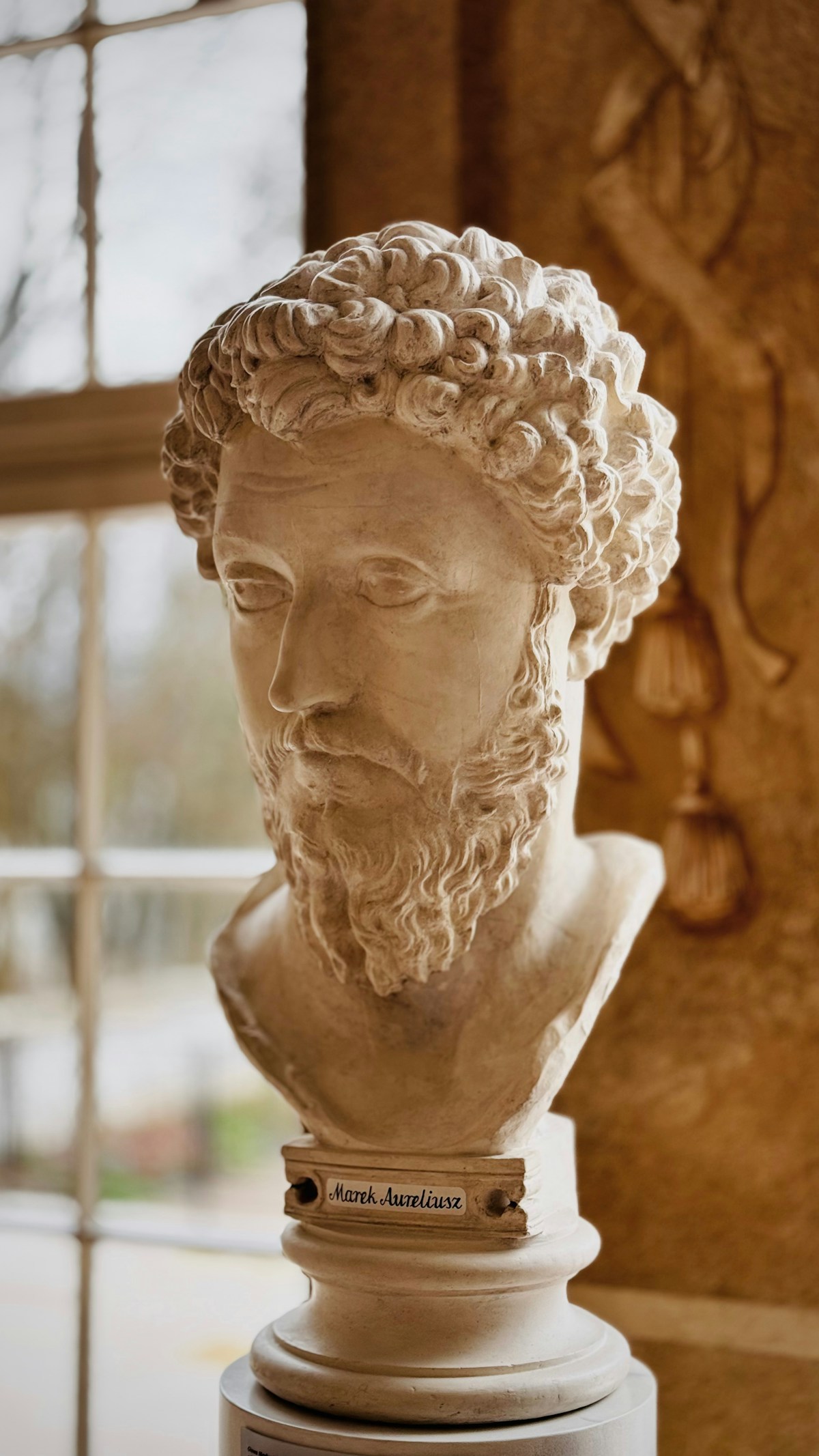
The Dichotomy of Control: Epictetus’ Most Powerful Idea
What if most of your stress was optional? Only your response belongs to you. The rest was never yours to carry.
Begin with this core idea →Latest reflections
Keep reading in this path.
The Dichotomy of Control: Epictetus’ Most Powerful Idea
What if most of your stress was optional? The idea that changes everything.
Read Reflection →
The Art of Letting Go: What Epictetus Can Teach You
Your jaw tightens. Learn what’s actually yours to hold.
Read Reflection →
How to Stop Caring What People Think
The invisible prison of other people’s opinions. Here’s the key.
Read Reflection →The Quiet Mind Letter
One calm thought for the week.
One Stoic idea, one practical exercise, and one quiet reminder to help you return to what you can control.