Hook
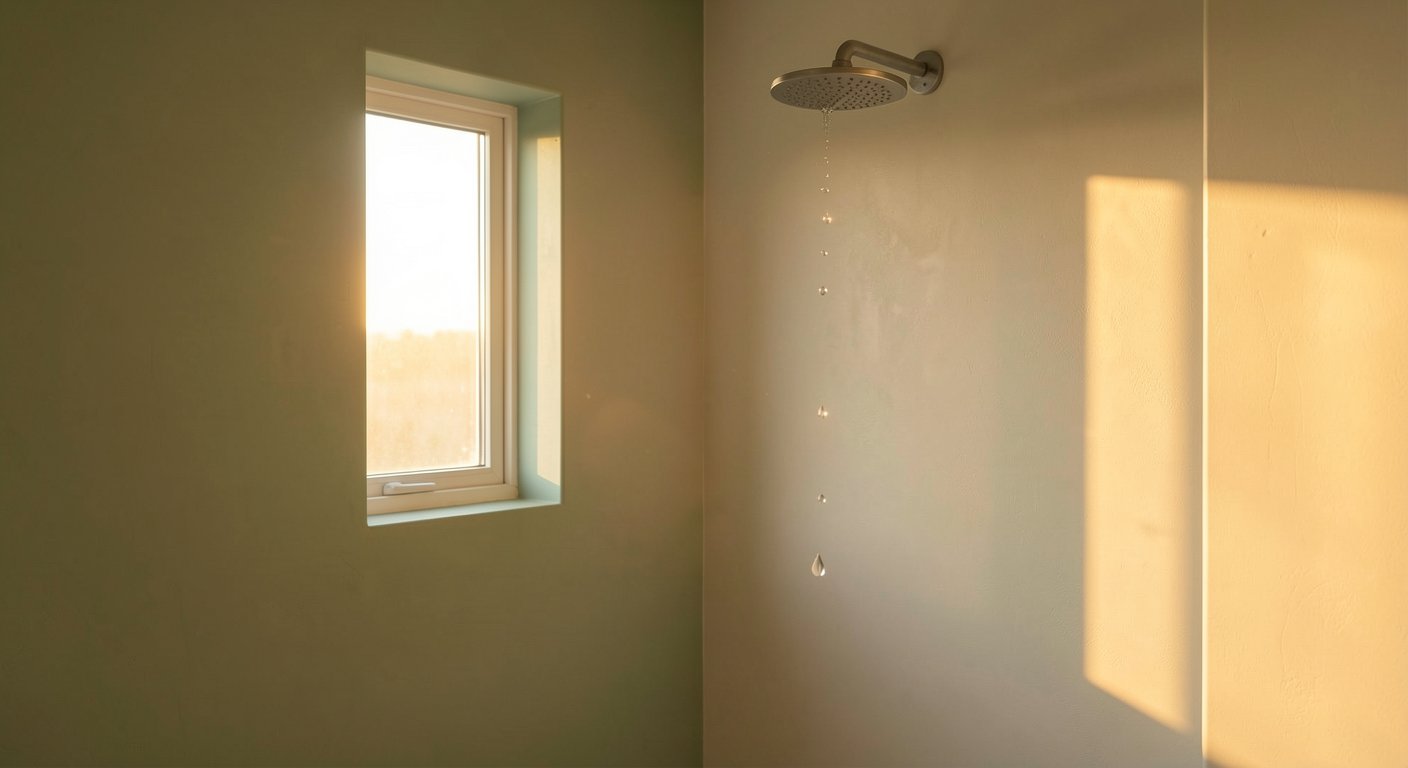
The cold water hits your skin and everything in you wants to turn the dial back to warm. Your mind races with objections. This is unnecessary. Nobody is forcing you. What is the point?
Two thousand years ago, a Stoic philosopher stood in a similar moment, asking himself a single question: “Is this the condition that I feared?”
The answer, almost always, was no. The cold water was uncomfortable, but it was not unbearable. And that realization changed everything.
This is voluntary discomfort. Not a health metric. Not a social media challenge. A quiet training for the mind, practiced by Stoics long before anyone filmed themselves in an ice bath. The purpose was not to impress anyone. It was to stop fearing what you cannot always avoid.
The Problem with Too Much Comfort
Modern life is remarkably comfortable. Climate-controlled rooms. Food delivered to your door. Entertainment in your pocket. We have designed a world that shields us from almost every physical unpleasantness our ancestors simply accepted as part of being alive.
The problem is not comfort itself. It is what constant comfort does to the mind. When you never experience cold, hunger, or physical unease, these sensations become alarming rather than ordinary. The mind, protected from all friction, forgets that it can survive discomfort.
The Stoics saw this clearly. They understood that a mind that never practices hardship will panic when hardship arrives uninvited.
What the Stoics Understood About Voluntary Discomfort
The Stoics did not seek discomfort because they disliked pleasure. They practiced it because they valued freedom. Specifically, freedom from being controlled by the fear of losing comfort.
Seneca, writing to his friend Lucilius, explained the logic with a soldier’s metaphor:
“It is precisely in times of immunity from care that the soul should toughen itself beforehand for occasions of greater stress, and it is while Fortune is kind that it should fortify itself against her violence. In days of peace the soldier performs manoeuvres … If you would not have a man flinch when the crisis comes, train him before it comes.”
— Seneca, Moral Letters to Lucilius, Letter 18
A soldier does not wait for battle to learn how to fight. In the same way, the Stoic does not wait for hardship to learn how to endure. Voluntary hardship stoicism is not about punishing yourself. It is preparation. A fire drill for the soul.
Askesis: Training the Mind Through the Body
The Greeks had a word for this: askesis. It meant training or exercise, the same root from which we get “ascetic.” But Stoic askesis was never about denying the body for its own sake. It was about using the body as a classroom for the mind.
Epictetus taught that physical training serves a purpose only when it strengthens the soul’s capacity for freedom. He warned against exercises done for show:
“We ought not to make our exercises consist in means contrary to nature and adapted to cause admiration, for if we do so, we who call ourselves philosophers shall not differ at all from jugglers.”
— Epictetus, Discourses, Book 3, Chapter 12
This is the line between a Stoic practice and a performance. The cold shower taken silently, observed honestly, without a camera, is epictetus askesis in its truest form. The cold plunge filmed for followers is something else entirely.
The body learns what the mind already suspects: discomfort passes. The cold water warms. The hunger fades. The hard floor becomes bearable. And every time you experience this passage, you become a little less afraid of the next uncomfortable thing life sends your way.
Why Voluntary Discomfort Actually Works
When you avoid discomfort, your mind never gathers evidence that discomfort is survivable. Every cold shower you skip reinforces the belief that cold water is something to fear. Every immediately satisfied hunger reinforces the panic that hunger is an emergency.
When you choose discomfort voluntarily, you gather counter-evidence. You stand in the cold water for thirty seconds and notice: you are still breathing. The world did not end.
This is what modern psychology calls stress inoculation: controlled exposure to manageable stress that builds genuine resilience. The Stoics understood this two thousand years before the research confirmed it. Stoic resilience training was never about an unbreakable body. It was about a mind that knows, from experience, that it can handle what comes.
Seneca put it plainly:
“The conclusion is, not that hardships are desirable, but that virtue is desirable, which enables us patiently to endure hardships.”
— Seneca, Moral Letters to Lucilius, Letter 67
The cold shower is not the point. The point is what the cold shower proves to you about yourself.
The Tiered Discomfort Practice
This stoic discomfort practice is designed as a gradual, three-tier system. Start at the beginner level. Only advance when the current level no longer provokes anxiety. The goal is not to tough anything out. It is to observe your own reactions and learn that discomfort passes.
Beginner (Start Here)
- The 30-Second Cold Finish: At the end of your warm shower, turn the water cold for the final 30 seconds. Notice your breathing. Notice the shock passes. That is enough.
- The Missed Meal: Skip one meal and sit with the sensation of hunger. Do not rush to fix it. Observe how the feeling rises and recedes. You are learning, not starving.
- One Layer Less: Wear one fewer layer outside for ten minutes. Notice your body adjusts.
- Ten Minutes of Silence: Sit still for ten minutes without reaching for your phone. Let the impulse to escape the quiet rise and fall.
Safety Note: Cold water: 30 seconds max at this stage. Do not attempt if you have heart conditions, circulatory issues, or are pregnant. Meal skipping: one meal only, never a full day.
Intermediate (After Two Weeks at Beginner)
Once the beginner practices feel familiar rather than alarming:
- Take a full cold shower: warm wash first, then one to two minutes of cold water.
- Sleep on the floor one night, using a thin mat or folded blanket. Skip this if you have back issues.
- Go a full 24 hours without complaining, internally or out loud. Notice how much of your inner dialogue is resistance.
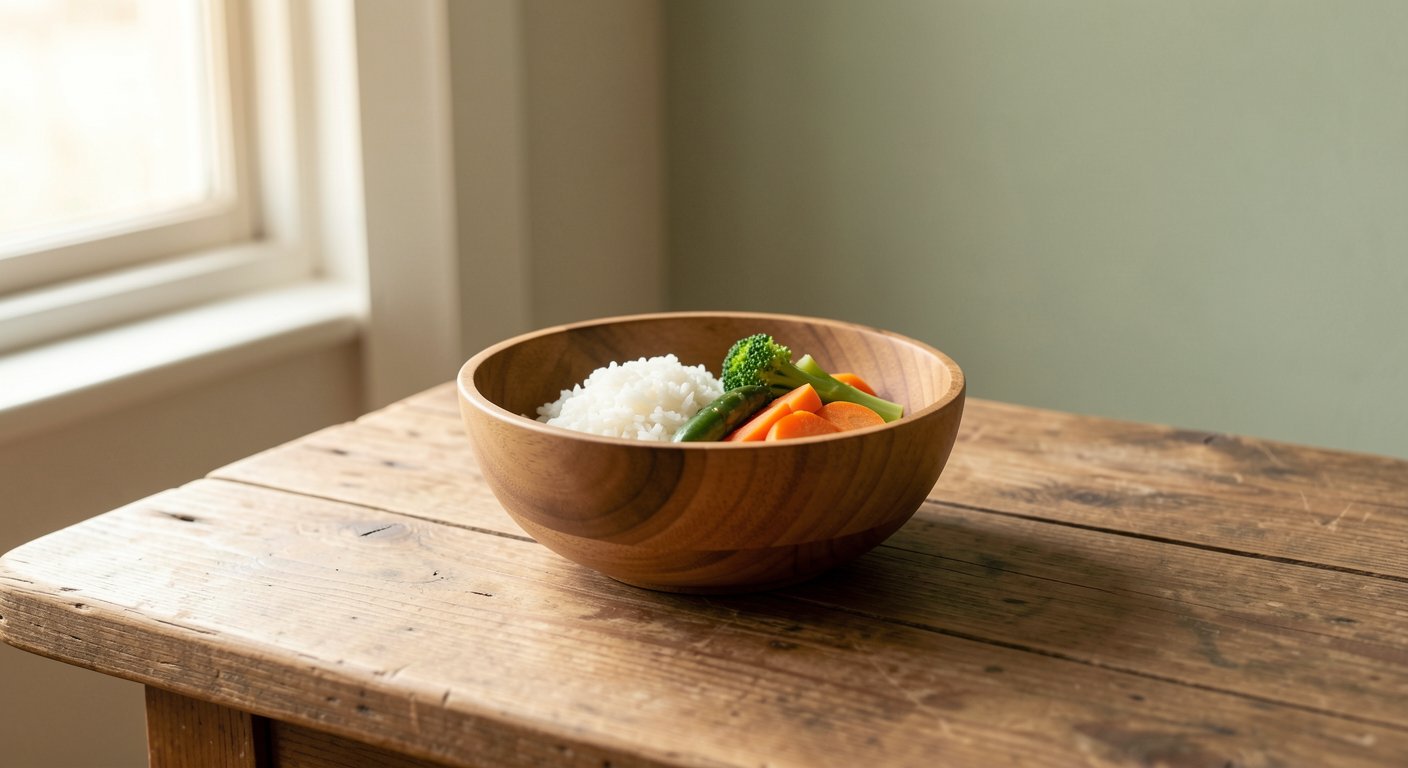
- Eat the simplest meal you can make: rice, vegetables, nothing processed.
Safety Note: Skip floor sleeping if you have back issues. Step out of cold shower immediately if dizzy or numb.
Advanced (Optional, After One Month)
- Spend a full day with deliberate simplicity: no entertainment, simple food, minimal spending.
- Try a weekend of Seneca’s poverty simulation: basic staples, old clothes, no luxuries. Ask yourself: “Is this the condition that I feared?”
Safety Note: Never combine cold exposure with fasting. Stop any practice that causes genuine distress. The goal is to reduce fear, not create it.
What Most People Get Wrong
The most common mistake is treating voluntary discomfort as a competition. How cold can you go? How long can you last? This misses the point entirely.
Epictetus called this out: exercises pursued for admiration make philosophers “differ not at all from jugglers.” The practice is about private training, a slow rewiring of the mind’s relationship to discomfort.
A second mistake is pushing too far, too fast. Seneca practiced poverty for three or four days at a time, not indefinitely. He was running a drill, not adopting a new identity. The daily stoic challenge is not to suffer more. It is to fear less.
The third mistake is treating the tool as the goal. A stoic cold shower is not a health protocol. It is a way of asking your mind: “Can you stay calm when things are not comfortable?” Every time the answer is yes, you become a little freer.
Seneca’s Soldier and Musonius Rufus’s Training
Seneca’s soldier metaphor runs deeper than a single letter. He described his own practice in vivid detail:
“Set aside a certain number of days, during which you shall be content with the scantiest and cheapest fare, with coarse and rough dress, saying to yourself the while: ‘Is this the condition that I feared?’ … Endure all this for three or four days at a time, sometimes for more, so that it may be a test of yourself instead of a mere hobby.”
— Seneca, Moral Letters to Lucilius, Letter 18
Seneca practicing poverty was not performance. It was reconnaissance. He wanted to know, before life forced the question, whether he could survive with less. The practice answered: yes.
Behind Seneca stood an older teacher, Musonius Rufus, who shaped Stoic physical training. Musonius taught that the philosopher should train the body to endure cold, heat, hunger, thirst, and hard beds. Not because the body mattered most, but because a body accustomed to softness produces a soft soul. Musonius rufus training was the root from which Seneca’s poverty exercises and Epictetus’s disciplined askesis grew.
These were not men chasing extreme sensations. They were men preparing for the difficult seasons of life that come to everyone, sooner or later: illness, loss, displacement, old age. They trained in peace so they would not break in crisis.

How to Begin Today
Turn the shower cold for the last thirty seconds tomorrow morning. That is the entire practice.
Stand in the water and notice what your mind does. It will resist. It will generate reasons to stop. Let those thoughts be there. Keep standing.
When the thirty seconds end, step out and notice: you are fine. Nothing terrible happened. The discomfort passed.
That single experience carries the lesson. What you learn in thirty seconds of cold water, you can apply to a difficult conversation, a delay you did not choose, a loss you did not expect. The outer circumstances change, but the inner lesson stays the same: discomfort is not danger, and you can endure more than your comfortable mind believes.
A Question to Sit With
What discomfort do you arrange your entire life to avoid — and what would you discover about yourself if you faced it voluntarily for just one day?
Do not rush to answer. Let the question sit with you for a day or a week. The answer may surprise you. Whatever it is, that is the place to begin.
Returning to What Matters
The Stoics practiced voluntary discomfort for one reason: they wanted to be free. Free from the fear of poverty. Free from the dread of illness. Free from the quiet panic that comfort is fragile.
They discovered something that still holds true. When you choose discomfort on your own terms, you take away its power to frighten you. The cold water, the simple meal, the hard bed become evidence that you are more resilient than you think.
Seneca asked: “Is this the condition that I feared?” After a cold shower, after a day of simple living, after facing the discomfort you usually avoid, the answer is almost always the same.
No. This is not what I feared. And if this is not, then what else have I been afraid of without reason?
Social Media Highlight
The cold shower is not about the cold water. It is about proving to yourself that discomfort passes. That is what the Stoics understood. That is what you can discover tomorrow morning.